骨盤矯正は必要?女性は特にした方がいい理由について
骨盤がゆがむと・・・
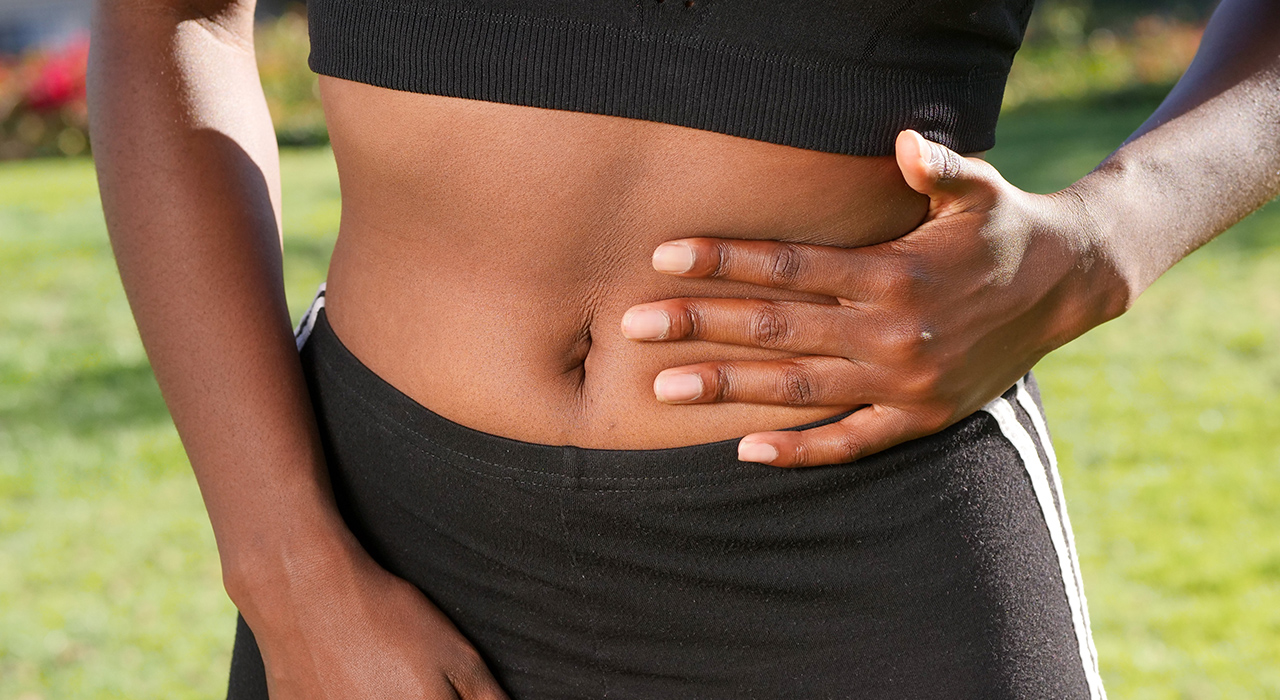
骨盤は上半身の体重を支え、重要である内臓を入れる器のようなもので、特に女性は骨盤がゆがみやすく、年齢とともに開いていきます。また、日ごろからの悪い姿勢の積み重ねも骨盤がゆがむ、大きな要因になってきます。骨盤がゆがみ、開いてしまうと内臓が本来あるべき位置から下がってしまい、胃に大きな空洞ができます。たくさん食べても太らない人は、内臓が下がっているのかもしれません。骨盤のゆがみが下半身の血流を悪くさせ、下半身のむくみや冷え性の原因にもなります。上半身に比べて足が太いと感じている方は、骨盤がゆがんでいる可能性があります。
骨盤がゆがんでいるかのチェック項目
当てはまっているものが多ければ多いほど、骨盤がゆがんでいる可能性があります。
● イスに座る時に脚を組む
● イスに座る時に膝が開き、ガギ股のようになる。
● よく腕を組む
● 左右で肩の高さが同じではない
● 横すわりをする
● 何もないところでつまずく
● 立っているときに、片側の脚だけに重心を置く
● 脚がよくむくむ
● O脚だ
● 左右で靴底の減り方が同じではない
● 靴底の外側の減りが早い
● 寝るときは、うつ伏せが横向きの方が楽である
● 姿勢が悪く、猫背だ
● ぽっこり下腹が出ている
● 便秘になりやすい
● お尻が大きい
● 生理不順や生理痛がある
皆さんはいくつ当てはまりましたか。半分以上当てはまる方は骨盤がゆがんでいるので、症状を改善したいのであれば、骨盤矯正する必要があります。骨盤矯正をすると、骨盤のゆがみが矯正され、正しい・美しい姿勢が保てるようになり、血液やリンパ液の流れが改善されます。また、新陳代謝もあがり、脂肪燃焼にもつながります。特に女性は子宮や卵巣に負担がかからなくなり、女性ホルモン作用が正常に戻るため、肌荒れの解消も期待できます。
骨盤矯正の基本
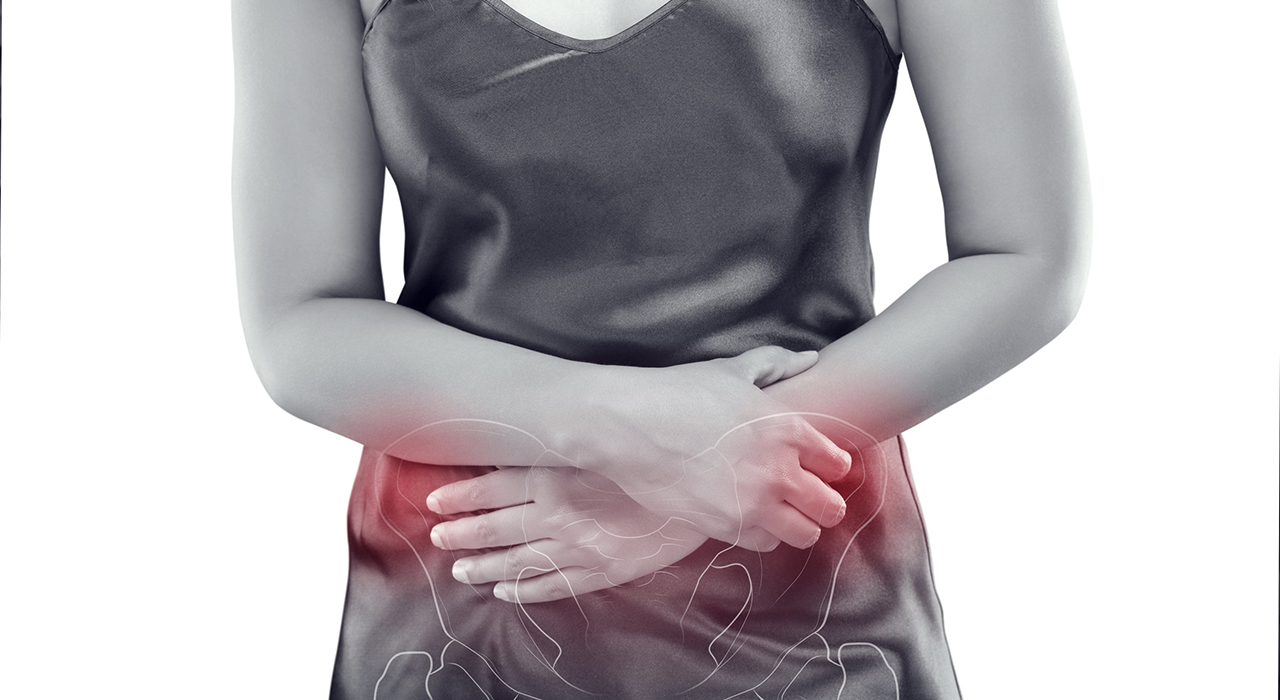
骨盤矯正は怖い?
骨盤矯正をいうと、骨がポキポキ鳴って、怖そうと感じている方も多いと思います。ですが、この音は骨と骨とが、こすれて出る音ではなく、矯正によって、関節と関節の間にたまった気泡がはじける際に出る音です。音がするからといって、骨が変になる・どうにかなるというリスクはけしてありません。さらには痛みがないものがほとんどです。骨盤のゆがみを治すのに、多少、音がなることはある場合がありますが、音を鳴らさないといけない・戸を鳴らさないと効果がないわけではないので、音を鳴らさないようにすることもできます。音を鳴らさないでほしいと担当の方に伝えれば問題ないです。
骨盤矯正に必要な回数は?
骨盤矯正は何度も通わないといけないと思っている方が多いと思います。その通りです。何度も通った方がいいですが、1回でも効果はあります。どうして、何度も通った方がいいのかというと、骨盤のゆがむ原因に、日常生活での悪い姿勢のくせなどがあるからです。長年のくせが原因であれば、一度では完全に良くならないですし、良くなったとしても、数か月、何もしなければ、元に戻ってしまう可能性もあります。
しかし、絶対に1回だけではだめというわけではなく、1度でも良くなる可能性もあるので、ぜひ1度、体の不調を感じている人は骨盤矯正を受けてみてください。骨盤矯正に必要な通院回数は行く、治癒院によって、変わってきますが、骨盤のゆがみがひどい人は3か月で15回~20回ほど、施術が必要になってきます。ある治癒院では続けて3回(1週間の間に)と言っています。続けて繰り返すことがゆがみを治すためにいいからだそうです。
産後の骨盤矯正

産後は育児に追われるので、お母さんの体のケアはほったらかしのなりがちですが、思っている以上にダメージは受けています。出産で開いた骨盤が自然と妊娠前の状態に戻ることはありません。帝王切開されている方は特にそうです。出産後の方が育児などの体に負担がかかりことや、体力が必要なことばかり。出産された方は骨盤が大幅にゆがんでいる可能性があるので、骨盤矯正を受けてみてください!
骨盤ゆがみチェック(出産後)
● 出産前のジーンズやスカートがはけない
● 尿漏れが治らない
● 冷え性がひどい
● 寸胴体型だ
● 生理痛がひどい
● 股関節が痛い
● 下半身がむくみやすい
● ポッコリお腹がなかなか落ちない
● O脚がひどくなった
● 初産の時は体重がすぐ戻ったのに、2人目は戻らない
● 初産の時は痛みがそんなに出なかったのに、2人目を産んだ後は痛みがある
これらの項目に当てはまっていれば、骨盤のゆがみが原因で体に不調が表れている可能性が高いです。骨盤矯正を受けてみてください。どうして出産後に骨盤矯正が必要なのかというと、出産直後は、骨盤周りの南部組織が緩くゆがみやすくなります。ゆがみがあると、その部分だけでなく、全身に循環障害がおき、様々な不調が表れます。さらには、ホルモンバランスの乱れや子どもの抱っこといった物理的な負担に加え、育児などによる疲れも体や骨盤をゆがませる原因となります。
通常の骨盤矯正と産後の骨盤矯正の違い
通常の骨盤矯正と産後の骨盤矯正は大きく異なります。通常の骨盤矯正は、日常生活の様々な原因によって、上下・左右にゆがんでしまった骨盤のズレにアプローチをしたり、負担のかかった筋肉の緊張をほぐしたりして、本来骨盤があるべき位置に戻すことが目的です。
産後の骨盤矯正は妊娠や出産で伴う骨盤の開きや腹筋の広がりを正すことが目的です。妊娠6か月ごろになると、子宮が小骨盤から大きくせり出し、骨盤内部の圧力が高まります。すると、骨盤上部が少しずつ開き始めます。陣痛が始まると、骨盤だけではなく、全身の靭帯が緩くなり、赤ちゃんが生まれやすい状態になります。そして、赤ちゃんは頭から4回旋しながら生まれてくるため、お母さんの骨盤にも大きな負担がかかります。本来骨盤は逆三角形である骨盤が、赤ちゃんが出てくるときに四角形になります。また、赤ちゃんが回転しながら出て来るので、圧力が左右の骨盤にかかることで、骨盤にズレが生じ、腹筋も左右に大きく広がり、上手く使うことができなくなります。
出産後骨盤は一気に閉じますが、1か月から2か月くらいまでは、骨盤の骨と骨をつなぐ筋がとても弱くなります。この間に、正しくない・悪い姿勢をしてしまうと強いゆがみを作ってしまいます。ゆがんだままにしておくと、将来的に様々な症状が出たり、次の出産時に、つらい症状が出たりすることがあります。産後は早めに骨盤ケアすることが大事になってきます。
産後の骨盤矯正の重要性
出産後に、骨盤体操や骨盤ダイエットなど、いろいろな方法で出産前に体型を戻そうとしても、肝心な骨盤が開いたままでは体重は減ったとしても体型までは元に戻りません。出産前は太りにくかった方も、産後は太りやすい骨格になってしまいます。初産の時は体重がすぐに戻って、体に痛みはなかったけど、2人目は体重も戻らず、体に痛みが出たという方が多いです。それは、初産で骨盤がゆがんだままになってしまっているからです。特に2人目、3人目と産んでいくと、どんどん骨盤が開いていき、ひどい方は子宮脱などの臓器脱になる可能性もあります。自分で骨盤ベルトなどを巻いても、改善することはないと思うので、きちんと専門医に診てもらい、治療することをおすすめします。
まとめ
骨盤矯正が女性は特に必要な理由をご紹介いたしました。出産した方は不調が表れる前に骨盤矯正をしてみてください。